
Selling Your Home to Avoid Foreclosure in Ontario
If you're falling behind on mortgage payments, you may be feeling overwhelmed, anxious, and unsure of your next steps. You're not alone. For many Ontario homeowners, selling your home to avoid foreclosure can provide the relief you need before things spiral out of control. But in Ontario, what you’re likely facing isn’t a traditional foreclosure—it’s a Power of Sale, and understanding the difference is critical.
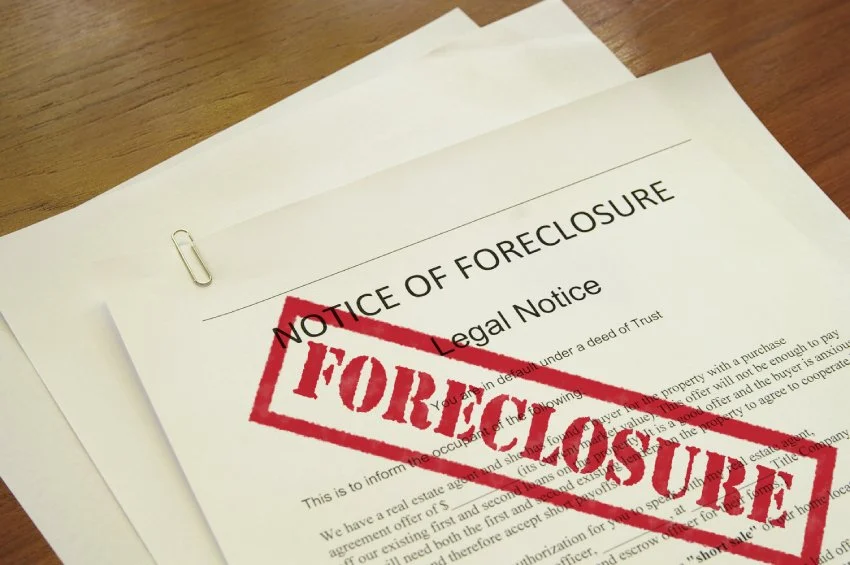
In Ontario, the Power of Sale allows lenders to sell your home if you default on your mortgage, without going through the courts. It moves faster than foreclosure and puts your remaining equity at risk.
What Is the Power of Sale in Ontario?
Power of Sale is the process most lenders use when a homeowner falls behind on mortgage payments and the debt is not resolved.
In simple terms, the lender may take steps to sell the property to recover the money owed. This does not always mean the lender owns the home right away, and it does not mean you are out of options. But it does mean the situation should be taken seriously.
For homeowners, Power of Sale can feel overwhelming. You may be dealing with missed payments, legal notices, stress from your lender, and fear of losing control over what happens next. The sooner you respond, the more options you may have.
Common Reasons Homeowners Face Power of Sale
1. Job Loss or Reduced Income
A sudden layoff, reduced hours, or loss of a primary source of income can make mortgage payments fall behind quickly.
2. Unexpected Expenses
Major repairs, medical bills, or emergency costs can drain savings fast.
3. Divorce or Separation
When two incomes become one, legal costs or emotional stress can make it difficult to keep the home.
4. Inherited Property
Many people inherit older properties they didn't plan for. With the taxes, maintenance, and upkeep, things can become overwhelming.
5. Mounting Debt
Credit cards, loans, and other obligations can slowly pile up.
6. Health Challenges
An illness or injury can affect both income and expenses at the same time.
7. Adjustable Rate Mortgage Increases
Some mortgages start with lower payments that later increase.
How to Avoid or Respond to a Power of Sale
Don't Ignore the Problem
Ignoring or avoiding the situation can make it worse. The sooner you face it, the more options you have.
Talk to Your Lender
Many lenders would be willing to work with you if you reach out early. They may offer temporary payment relief, a loan modification, or a repayment plan.
Cut Expenses and Prioritize Payments
If your income has changed, tightening your budget can help you stay afloat for a while. Focus on the essentials (especially your mortgage!)
Consider Selling Before Foreclosure Starts
Selling the home on your own terms is often the cleanest way out of this situation. This allows you to avoid legal action, protect your credit, and potentially walk away with cash instead of debt.
Sell As-Is for a Fast Resolution
If the house needs work and you don't have the energy to deal with it, you can sell it as it stands. Avoid cleaning, repairs, and open houses by selling it as-is.
Can You Sell a House in Foreclosure?
Many Ontario homeowners, from Durham to Simcoe, have sold their homes mid-foreclosure and avoided lasting financial damage. Although we commonly say "foreclosure," Power of Sale is the process most Ontario lenders use. Unlike foreclosure, the lender doesn’t take title to your home; they simply have the right to sell it and apply the proceeds to your debt.
Here’s the good news: Even if the lender has started the Power of Sale process, you can still sell your home. In fact, many homeowners choose to avoid foreclosure by selling. Doing so can protect your credit, preserve your remaining equity, and help you move forward on your terms.
How Selling Your House Can Help You Avoid Foreclosure
Selling your home fast (before the Power of Sale process is completed) lets you take control before legal costs, realtor commissions, and penalties eat away at your equity. When you work with a fast home buyer, you can:
Choose your own closing date (in as little as 48 hours)
Sell as-is, with no repairs or cleanup needed
Avoid showings or agent fees
Stop the foreclosure process before it finalizes
When Is It Too Late to Stop Foreclosure?
The moment your lender sends a Notice of Sale (which typically happens 15+ days after default), the clock starts ticking. From there, you have a redemption period (usually 35–45 days) to bring your mortgage up to date.
After that, the lender can proceed with a Statement of Claim and begin selling the property. While you can still sell your home even during this period, your window is closing fast. Every delay means more fees and less equity.
What Happens If Your House Is Foreclosed?
If you don’t act in time, your lender may sell the property under Power of Sale. Here's what typically happens:
Your home is listed and sold by the lender
All legal, realtor, and administration costs are deducted from the sale
You may still owe money if the sale doesn’t cover your total debt
Your credit score will take a serious hit
FAQs about the Power of Sale in Ontario
1. What happens if I miss a mortgage payment?
Missing one mortgage payment does not mean you immediately lose your home. Your lender may contact you, charge late fees, or ask you to bring the account back up to date.
If the missed payments continue and the default is not resolved, the lender may begin the Power of Sale process. The earlier you respond, the more options you may have.
2. How long does the Power of Sale process take in Ontario?
The timeline depends on your mortgage terms and your lender’s process.
For many Ontario mortgages, a lender can issue a Notice of Sale after the mortgage has been in default for at least 15 days. After that notice is served, there is commonly a 35-day redemption period before the lender can take further steps to sell the property.
That window is important. It may give you time to speak with your lender, get legal advice, refinance, or sell the home before the situation moves further along.
3. Can I stop Power of Sale once it starts?
In many cases, yes. Depending on your situation, you may be able to stop or resolve a Power of Sale by catching up on missed payments, paying out the mortgage, refinancing, negotiating with the lender, or selling the home before the lender completes the sale.
The key is acting early. The longer you wait, the fewer choices you may have.
4. Will a Power of Sale affect my credit?
Missed mortgage payments, default, collections, and legal action can affect your credit and make it harder to borrow in the future.
That is why many homeowners try to deal with the situation before it goes too far. Selling before the lender completes the process may help you keep more control over the outcome.
5. Do I need to repair my home before selling to avoid a Power of Sale?
No. If repairs are too expensive or the home feels like too much to handle, you may still be able to sell it as-is.
Many homeowners choose this route when they do not have the time, money, or energy to clean, renovate, or prepare the home for showings.
6. What if I owe more on my mortgage than my home is worth?
You may still have options, but you should get legal and financial advice as early as possible.
If the home sells for less than what is owed, you may still be responsible for the shortfall. Acting early can help you understand the numbers before more interest, legal fees, and carrying costs build up.
7. Can I sell my house during a Power of Sale?
Yes, in many cases you may still be able to sell your home during Power of Sale, depending on timing and the lender’s position.
Selling before the lender completes the sale may give you more say in the timeline, the buyer, and the outcome.
8. What’s the difference between foreclosure and a Power of Sale in Ontario?
In Ontario, lenders usually use the power of Sale for residential mortgage defaults.
With a power of Sale, the lender takes steps to sell the property and recover the debt. If there is money left after the mortgage, legal costs, and other debts are paid, the remaining funds may go back to the homeowner. If there is a shortfall, the homeowner may still be responsible.
Foreclosure is different. It is a court process where the lender seeks ownership of the property. It is much less common in typical Ontario residential mortgage default situations.
Avoid Foreclosure in Ontario Today!
Don and Rick at Lewis Brothers Properties personally guide every seller through the process—no agents, no pressure, and no repairs. If you're facing default and don’t know where to turn, we’ll help you get a fair offer fast and avoid foreclosure on your terms.
We buy houses in any condition, which means you can sell your house fast without the added stress and expense of getting it market-ready. If you're overwhelmed and looking for a way out, selling your home to avoid foreclosure could be your fastest path to peace of mind.
Request a Free Offer or Get Cash in 48 Hours. Book a call with us today.